
A personal aside on working longer
How my post-retirement career reflects ideas in an earlier post

In this blog, I’ve been trying to avoid first person writing, preferring to have it in a more neutral third-person journalistic voice. But a personal anecdote illustrates the recent post about working into retirement so well that I wanted to share it.
A few months before retirement, as I was just beginning to think about what I’d be doing then, I had a conversation with a friend who offered some great advice. This person had retired from a top-level executive job with a major journalism organization and gone on to do a variety of interesting things after. In a line I will never forget, she told me “You’ll be surprised at what will find you.”
I decided that was going to be my approach to retirement: to keep attuned for opportunities without necessarily having a rigid plan for what retirement was going to “look like” for me.
Shortly after I retired from full-time work at the small college where I taught journalism for 20 years something “found” me. It was an opportunity to work part-time as a data journalist with a new nonprofit journalism startup called the New York & Michigan Solutions Journalism Collaborative.
It was in every way an ideal post-retirement gig:
Part-time (because I was ready to be done with full-time work).
Fully remote in a virtual organization (because I really didn’t want to have to commute anywhere).
Interesting work involving two innovative journalism practices – solutions journalism and collaboration – that would allow me to put into practice things I’d been researching and teaching about.
Decent money, enough that I would be able to avoid tapping into my retirement savings for as long as I was doing it.
So, I took the job, starting work in August 2021. Time elapsed from when I retired from the college job: about two months.
(An aside: My wife retired from her full-time job at our local school system the same year, in June. But when the new school year arrived three months later, she was working a few days a week as a substitute in the same system, often doing her old job. We would joke with ourselves and our friends that we had both been very good at what we did for long careers, but kind of sucked at retirement. But really we were feeling our way into retirement along the lines explored in the Working Longer post.)
The NYMISoJo job was funded by a two-year grant, and when the grant ended in summer 2023 it was no big deal for me because I was ready to move on and try other things anyway. It also helped me learn a lot about the subject of caregiving and its importance in our aging society, which directly translates to some of the work on this blog.
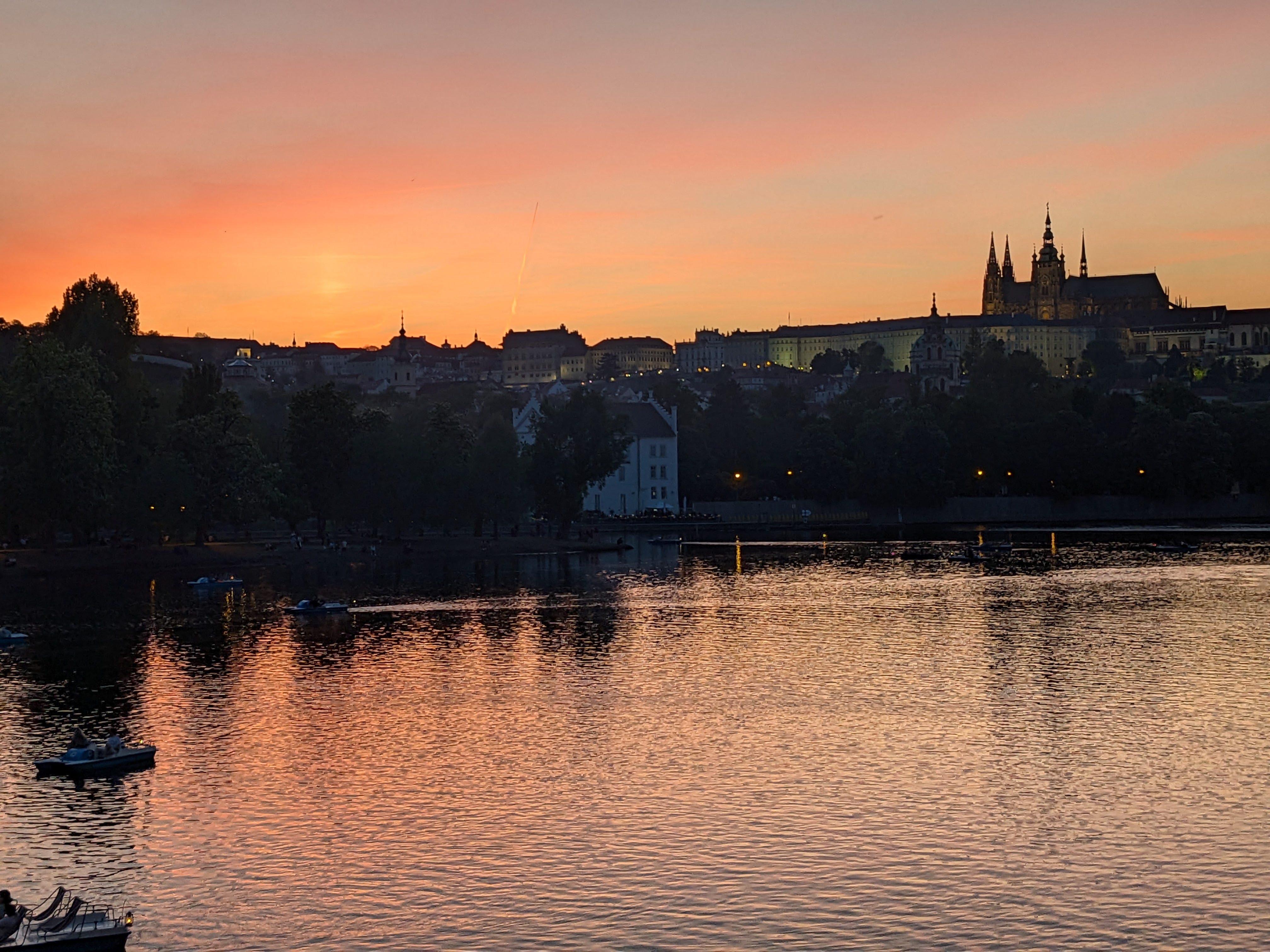
I then poured my efforts into securing a Fulbright position, which I got, leading to six weeks earlier this year (in April and May) consulting for a journalism training and education organization in Prague, Czechia called Transitions Media. It was a great experience but, frankly, I felt a little lost for the first month or so after returning from Prague. After two substantial, interesting post-retirement experiences, now what?
That was only four months ago, so I’m still sort of waiting for what finds me next. This blog is a piece of that, and so is some other volunteer work I’ve taken on.
These activities are appealing because when I was thinking of the “must haves” in whatever I did next, I knew it had to involve writing.
I’ve been a writer for more than 50 years – my first published piece came when I was still in high school – and writing was at the center of every job I’ve held, including the NYMISoJo and Fulbright gigs mentioned earlier. The opportunity to write has to be part of what I choose to do.
Aging … better certainly does fulfill that writing need. So do some other things where I’ve committed to spending my time, such as helping a local social-service nonprofit develop a newsletter.
Unlike the earlier projects, Aging … better and volunteer work will not earn any money. So in the technical sense it’s not employment. I would like to do more paid freelance work, but am not going to sweat it if nothing comes along because what I am doing provides professional engagement, uses my skills, and offers a sense of purpose. Those are the key components for post retirement work, and what I’m doing checks those boxes.
Hey first person Jack. Hope you’re well. I was happy to find your new writings here. With you sharing a bit of your personal retirement story, I didn’t see any mention in changes with eating and/or exercising. I’m sure there are some. With my retirement, I’ve adapted my focus/job to my physical and mental health. I don’t have to worry about running out the door and balancing lots of appointments. I now look forward to daily exercise (running, indoor rowing, mindful practices) and our family has adapted to eating a plant based diet. For us, we’ve embraced the changes and benefited in feeling better and also avoiding prescription drugs and costlier healthcare. We feel fortunate, lucky, and blessed to have gotten to this stage of life. Focus is to keep it going!
Hi, Kevin. Thanks for finding the blog; I hope you will find it interesting. And thanks for the thoughtful comment. The post was meant as a companion to last week's about the matter of employment, or something like it, post-retirement, so it didn't address the topics you mention. But to address your question, yes, Missy and I both are finding that the extra time we have to devote to exercise has become a key part of our retirement lifestyle. She runs, I walk; we both go to the rec center multiple times a weeks for different classes that we like (in my case, yoga, and use of the weight room). We also pay extra attention to nutrition and diet. So, like you, we're trying to do things right. My interest in things such as exercise, nutrition and wellness is a key reason I started the blog. I hope you and other readers will find some value in the material presented.