

It’s well established that good nutrition and exercise contribute to healthy aging. Evidence of that can be found in many of the posts on this blog, and especially in the research sources found at links within the articles.
Something diet and fitness may have in common in easing the effects of aging is how they can reduce chronic inflammation related to aging, often called inflammaging.
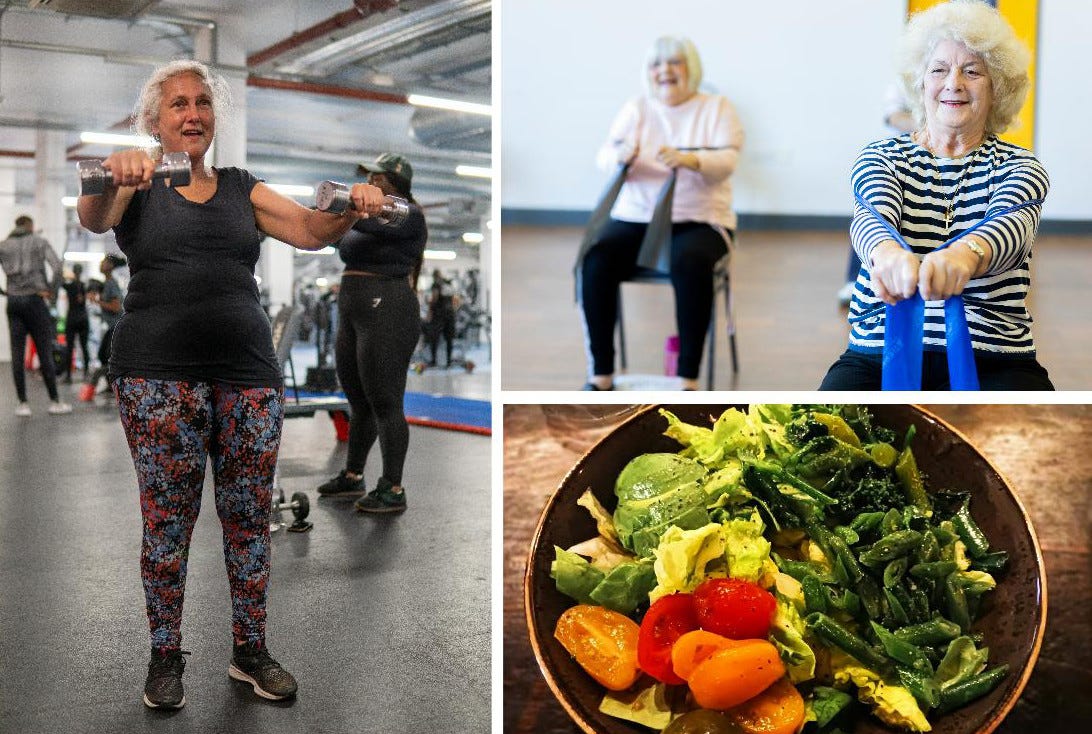
What is inflammation?
Inflammation is the body’s response to illness, injuries and presence of things that don’t belong in the body, such as some bacteria and viruses. The soreness and fever that accompany the flu or strep throat are examples of inflammation responses helping the body heal.
“Chronic inflammation is when your body continues sending inflammatory cells even when there’s no danger,” the Cleveland Clinic says. “With chronic inflammation, processes that normally protect your body end up hurting it.”
Older people appear to be more susceptible to this, leading to the term “inflammaging.” This condition has been called a risk factor for many so-called “afflictions of aging” including:
Arthritis
Cardiovascular diseases
Chronic kidney disease
Diabetes
Cancer
Depression
Dementia
Osteoporosis
Sarcopenia (muscle loss).
Because of this, “inflammaging is also a strong risk factor for typical geriatric conditions, such as physical and cognitive disability, frailty, and premature death,” according to the National Review of Cardiology.
Inflammaging processes and impacts
Inflammaging has become a popular topic in gerontology research over the past dozen or so years, since a 2012 conference about it organized by the National Institutes of Health brought researchers together to set an agenda exploring it.
The research isn’t entirely settled about whether inflammaging can cause conditions such as those listed. Articles about inflammaging’s association with them use terms such as “contribute to” the problems or “increase the risk” of them.
However, enough research has been done to establish clear connections between chronic low-level inflammation and poor health among older people through investigations of its biological causes.
Researchers have discovered that healthy centenarians show less evidence of chronic inflammation, and that inflammation seems to have a strong association with cardiovascular disease in older populations.
Inflammaging is associated with higher levels of certain compounds in the body that cause the inflammation, which researchers call “inflammatory markers.” How the body develops and reacts to these markers is an active area of gerontology research.
Numerous biological processes, many of them at the cellular level, contribute to development of these inflammatory compounds. For example, when cells in some tissues stop dividing (the way cells reproduce) but remain metabolically active, they can secrete inflammatory compounds known as cytokines. (The medical term for this is cellular senescence.) Researchers also have established that excessive visceral fat -- the kind that accumulates around internal organs such as the liver -- also produces cytokines.
Factors that contribute to chronic inflammation and production of inflammatory compounds are another popular research topic. The Cleveland Clinic’s discussion of inflammaging lists some of them as:
Low levels of physical activity.
Chronic stress.
Having a BMI at or above 30 (obesity), especially when excess weight is deep within the belly (visceral fat).
An imbalance of healthy and unhealthy microbes in the gut (dysbiosis).
Regularly eating foods that cause inflammation, such as foods high in trans fat or salt.
Disrupted sleep and circadian rhythm.
Exposure to toxins, including hazardous waste and industrial chemicals.
Using tobacco products.
Regularly drinking too much alcohol.
Diet can help reduce inflammaging
Notably, that Cleveland Clinic list includes several lifestyle factors that researchers have examined as potential ways to reduce the effects of inflammaging, starting with getting enough sleep and avoiding tobacco and alcohol.
Beyond that, “Nutrition and fitness are your best weapons to fight chronic inflammation,” according to the Brown University Medical Center blog.
For example, a 2018 study that examined whether those “inflammatory markers” would be affected by consumption of foods on the Mediterranean diet found that following the diet was associated with lower levels of inflammatory compounds in the blood. Similarly, a 2023 meta review concluded that “There may be a link between diet, inflammation markers, and disease outcomes in various adult populations.”
Diet seems to affect the development of inflammatory markers by altering the composition of the gut microbiome, an ecosystem of bacteria, viruses and microscopic fungi that live in everyone’s intestines. “Anti-inflammatory” foods are ones that promote the growth of beneficial microbes that fight inflammation while inhibiting ones that can produce inflammatory compounds. Some spices -- including turmeric, ginger and garlic -- also have anti-inflammatory properties and can promote the same result.
Calorie-restriction regimens, such as intermittent fasting, also may help reduce inflammation.
(The Cleveland Clinic has an entire article devoted to eating in ways that can reduce chronic inflammation. See the pullout box at the end of the post.)
Exercise is beneficial, too
Researchers also have looked at the correlation between physical activity and inflammation. One study suggested that regular exercise can prevent or delay chronic inflammation as people age. But the key is persistence: another study said the effects in older adults were most pronounced if they were longtime exercisers.
Similarly, a systematic review of several studies about the impacts of exercise on inflammation concluded that the length of training was an important factor. Exercising for longer than six months seemed to have an anti-inflammatory impact but training for less than six months showed no reduction of inflammatory markers among older subjects.
This is, of course, on top of the general benefits exercise has for cardiovascular health and preservation of muscle as people get older.
Exercise combined with healthier eating can have reinforcing benefits, especially if it reduces the visceral belly fat known to be a source of inflammatory markers.
Summary
Chronic inflammation in older adults, often called inflammaging, can affect people’s health, increasing the risk for a wide variety of negative conditions commonly associated with aging. Reducing age-related inflammation may improve the quality of life in older adults.
Fortunately, lifestyle interventions of eating foods that have anti-inflammatory properties and getting regular exercise over a long period of time both can reduce the level of inflammatory compounds in the body to help mitigate the negative effects of inflammaging.
Anti-inflammatory eating
According to the Cleveland Clinic, “The food we eat — and don’t eat — can soothe and even prevent inflammation by quashing your body’s inflammatory responses.”
Recommended foods to help reduce the body’s production of inflammatory compounds include:
Fresh fruit, such as apples, berries, avocados and oranges.
Fresh vegetables, such as peppers, broccoli and leafy greens (e.g., spinach and kale).
Lean protein, such as chicken and turkey.
Fatty fish, including salmon, tuna, herring or mackerel.
Whole grains, including brown rice, wild rice and oats.
Legumes, such as dried beans and peas.
Nuts and seeds, including walnuts.
Certain spices, including turmeric and cinnamon.
Healthy oils, especially extra virgin olive oil.
On the other hand, certain foods should be avoided, or at least limited, because consuming them has been associated with alterations to the gut microbiome that can increase production of inflammatory substances. These include:
Sweets, such as commercially prepared baked goods, pre-packaged desserts, ice cream and candy.
Packaged snacks, such as potato chips and microwave popcorn.
Processed meats, including bacon, sausage, hot dogs, bologna, pepperoni and salami.
Processed cheeses, such as nacho cheese dip and American cheese slices.
Sugary drinks, including soda and sports drinks.
Fried foods, such as fried chicken and French fries.