
Keeping a silent killer in check
Lifestyle changes, especially to diet, can help lower blood pressure

The following is informational, and not intended as medical advice. Anyone concerned about their blood pressure should discuss the situation with their doctor.
High blood pressure has been called “the silent killer” because it can go undetected while causing significant harm to the cardiovascular system and other parts of the body.
According to Johns Hopkins Medical Center “When your pressure is too high for too long, it can stretch and damage your arteries. The resulting health problems can include heart disease, heart failure, stroke, kidney damage, vision loss, memory loss and cognitive decline.”
So controlling blood pressure, also known as hypertension, is an important part of healthy longevity. (Researchers are even investigating whether it might be a contributing factor in dementia.)
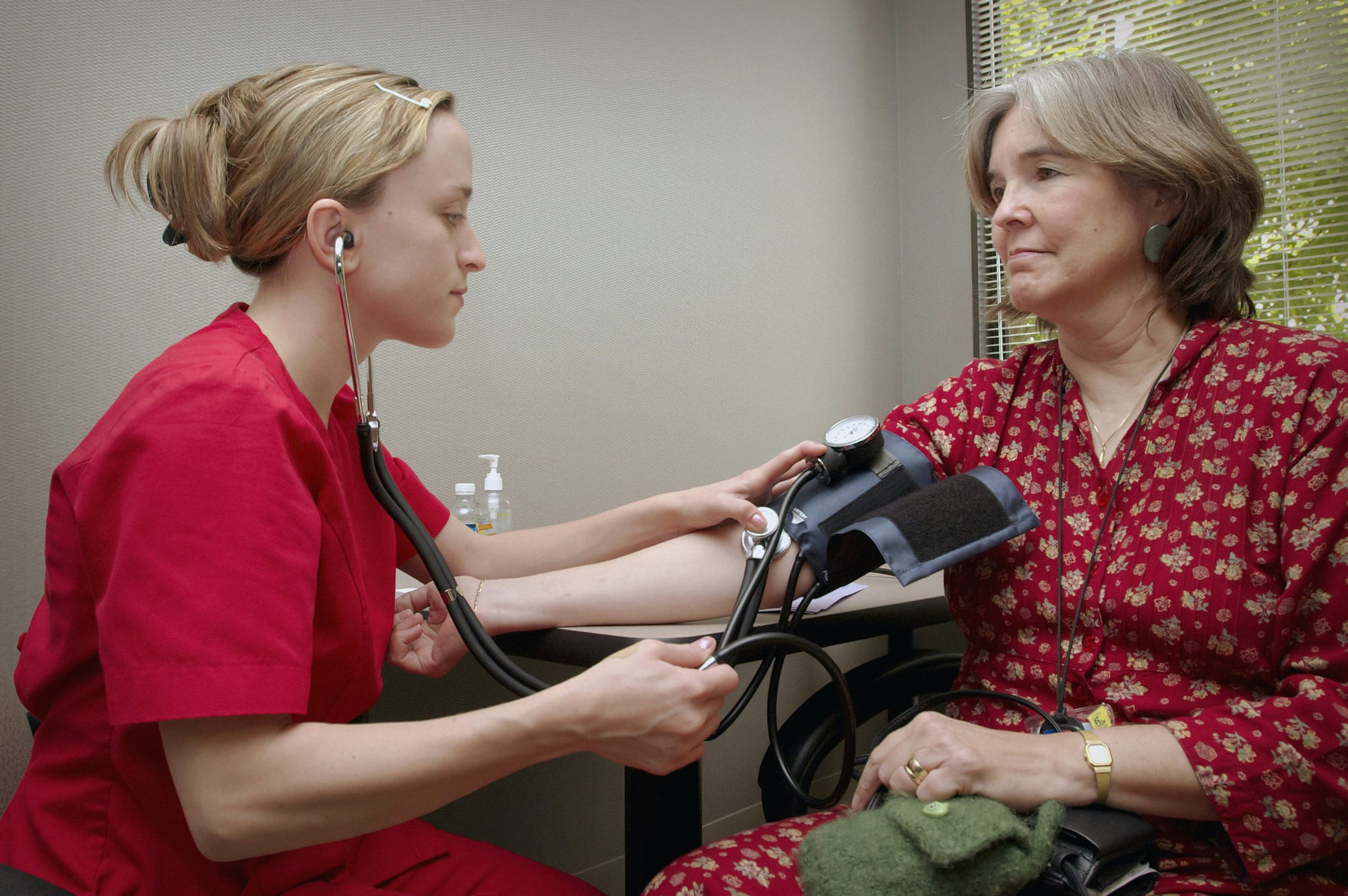
Blood pressure readings have two components: systolic pressure (the force of the blood against the artery walls when the heart contracts to pump blood) and diastolic pressure (the pressure against the arteries between heartbeats, as the heart relaxes). Systolic pressure is always the higher number, stated first in a typical blood pressure reading.
Normal blood pressure is considered to be a reading of 120 or less for systolic and 80 or less for diastolic, expressed as 120/80. “Stage 1” high blood pressure is above 130/80 but less than 140/90, and “stage 2” is greater than 140/90. Home monitors are available in many pharmacies for people who want to keep tabs on these numbers between doctor visits.
According to the federal Centers for Disease Control (CDC), nearly half of all U.S. adults – 120 million, or 48 percent of them – have at least stage 1 high blood pressure. The CDC says this puts them at risk for heart disease and stroke. It estimates that high blood pressure was a primary or contributing cause of 664,470 deaths in the United States in 2023.
Lifestyle fixes
High blood pressure can be, and often is, alleviated with medication including diuretics (water pills) to reduce water volume of the bloodstream and drugs that help relax blood vessels by acting on a natural chemical that forms in the body that can narrow blood vessels.
But it’s also possible to reduce blood pressure naturally with lifestyle interventions focused on diet, exercise, and other activities.
High blood pressure has several well-documented lifestyle risk factors, including:
Smoking
Excess weight
High stress
Too much alcohol
Too much sodium (salt) in the diet
Too little sleep.
The first step toward bringing blood pressure down is addressing any of those factors that may be in play. Quitting smoking, drinking less, losing weight, consuming less salt, getting more sleep, and trying to compensate for stressors in life can all have positive effects.
Exercise and diet are the key
Beyond that, exercise and especially diet can have beneficial impacts on blood pressure.
Aerobic exercise is a starting point, especially meeting the federal recommendation for 150 minutes a week of moderate exercise (or 75 of vigorous exercise, or a combination of the two). But research has shown that resistance training and isometric exercises, especially wall-sits, also are effective in controlling blood pressure. (Exercise is a good way to help lose weight and alleviate stress, too.)
Mindfulness routines, breathing exercises and activities such as tai chi and yoga, both of which incorporate mindfulness and breathing, also have been connected to lower blood pressure.
But diet is the place to turn for major impacts.
Diets rich in fruits, vegetables (especially leafy greens) and whole grains (with important fiber) can help keep high blood pressure at bay. Leafy greens help the body produce nitric oxide, a compound that helps relax blood vessels, and provide other hypertension-fighting nutrients as well (see below). Fiber feeds healthy bacteria in the intestines that produce compounds that can lower blood pressure.
Avoiding saturated fats in favor of lean protein helps, also.
Low sodium consumption is another key. Medical guidelines recommend no more than 2,300 mg per day – about the amount in a teaspoon of table salt – but also say that keeping below 1,500 mg is better. This means avoiding eating too much packaged food that is often high in salt. Nutrition labels can be helpful in tracking how much sodium is being consumed.
Foods that are rich in potassium are especially beneficial to blood pressure regulation because potassium can help keep sodium levels down. It also helps the body use nitric oxide more effectively. High-potassium foods include bananas, avocados, beans, cashews, salmon, broccoli, potatoes (with skins, which have the potassium), leafy greens, yogurt (especially Greek yogurt), and cottage cheese.
Magnesium is another mineral that helps relax blood vessels. It’s found in leafy greens (spinach, kale), nuts and seeds, whole grains (brown rice, rolled oats, quinoa), legumes (especially beans), and lean protein (chicken, salmon, tuna and tofu). Calcium also plays a role in blood vessel function because it helps blood vessels tighten and relax when they need to.
A DASH of prevention
Another beneficial approach is to follow the DASH diet. “‘DASH” stands for “Dietary Approach to Stop Hypertension.” Its food recommendations are designed to provide nutrients that help reduce blood pressure, many of which have already been discussed. Components of the DASH diet include:
Fruits, vegetables and whole grains, which provide essential vitamins, minerals (such as potassium) and fiber.
Lean protein from fish, poultry and beans instead of from red meat. Protein from some fish, including salmon, sardines and tuna, also provides Omega 3 fatty acids that can help keep blood vessels cleaner.
Low-fat or fat-free dairy. The calcium from dairy foods also helps keep blood vessels more flexible but it’s important to avoid saturated fat that can cause problems.
Limited amounts of saturated fat, cholesterol and sodium, all of which contribute to high blood pressure.
Limited sweets and products with added sugar. This is especially important to keep weight under control because excess weight is a culprit in raising blood pressure.
In short, the most literal way to eat your way to better health is by consuming foods with nutrients that help keep “silent killer” blood pressure at healthy levels. The list below has some more tasty and healthy ideas.
Recommended foods for improved blood pressure
Avocado (calcium, magnesium, potassium)
Bananas (potassium)
Beets (high in nitric oxide)
Berries (especially blueberries, which like beets have nitric oxide)
Broccoli (calcium, potassium, magnesium, vitamin C)
Dark chocolate (flavonols)
Garlic (supports nitric oxide production)
Kiwi (potassium, antioxidants)
Leafy greens (potassium)
Low-fat or fat-free yogurt (calcium, magnesium, potassium)
Oatmeal (fiber)
Olive oil (polyphenols)
Quinoa (magnesium)
Peaches and nectarines (potassium)
Pistachios (support nitric oxide production)
Pomegranates (inhibit natural chemicals in blood that can narrow blood vessels)
Red bell peppers (potassium, vitamin C)
Salmon (omega-3 fatty acids)
Sweet potatoes (potassium, magnesium)
Unsalted pumpkin seeds (potassium, magnesium, nitric oxide)
Yogurt (low-fat or fat-free) (calcium, magnesium, potassium)
Sources: Women’s Health magazine, Prevention magazine