
Optimism about aging well
Research shows a more positive outlook on life is associated with better health and longevity

“I’m a glass-half-full person.”
“I like to look on the brighter side of things.”
“Life is too short to be negative all the time.”
Lots of people use those descriptors for themselves, and they may be onto something. Research shows that optimism is associated with better physical and mental health, and even greater longevity.
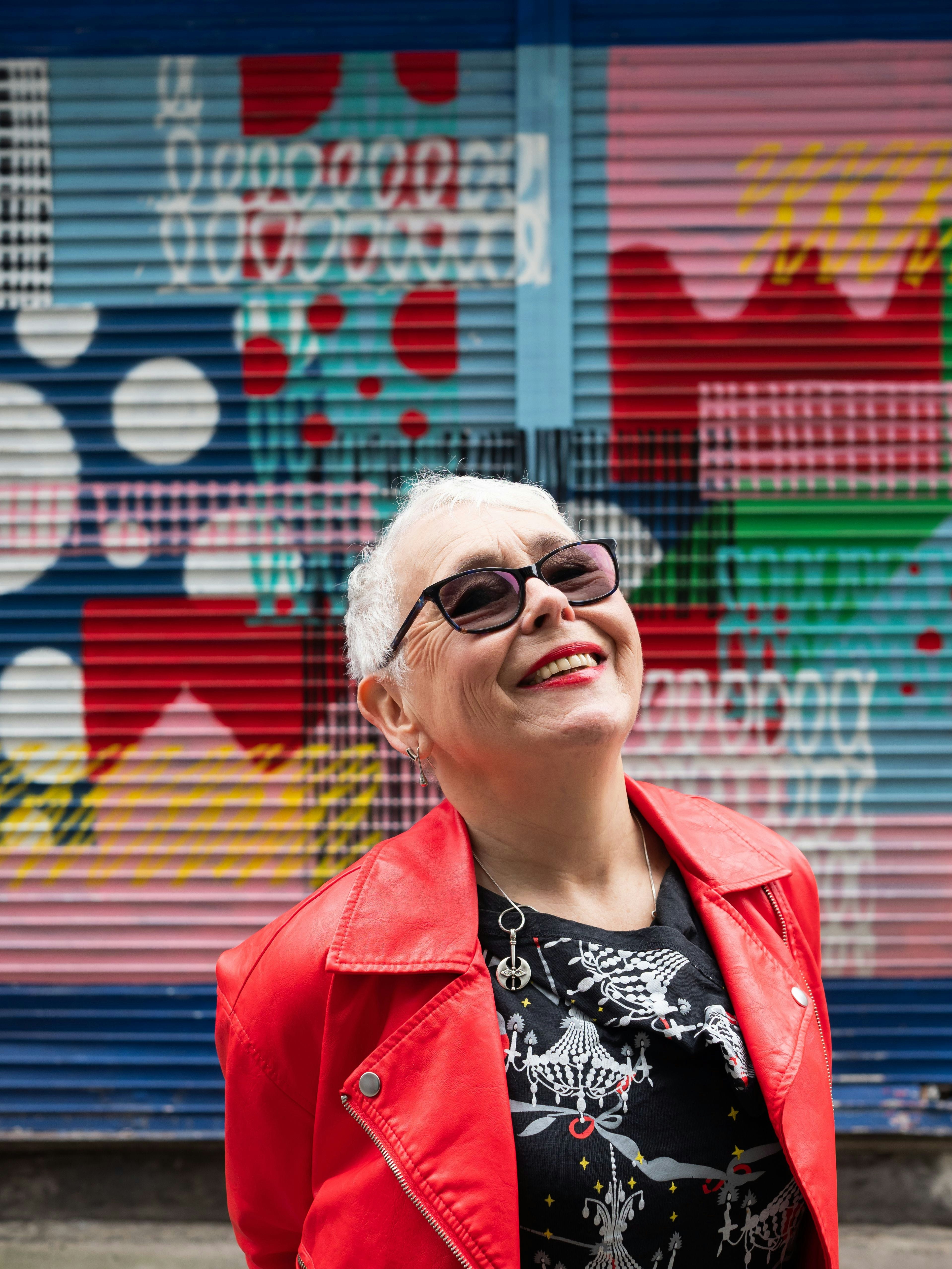
Most research into this topic takes a measurement of something called dispositional optimism, or a general expectation that good things, rather than bad things, will happen in the future. That may create a self-fulfilling prophecy when it comes to better future health.
Looking forward to longevity
Researchers affiliated with Harvard School of Health and Boston University in 2019 estimated that “optimism is specifically related to 11 to 15 percent longer life span, on average, and to greater odds of achieving ‘exceptional longevity,’ that is, living to the age of 85 or beyond.” A more recent study found that “Increases in optimism … were favorably associated with several physical health outcomes such as a reduced risk of mortality and better self-rated health.”
As is often the case, this line of research measures correlation or association, not causation.
Optimism being associated with longer and healthier life could be related to findings about some possible physical health impacts of optimism, specifically associations with better cardiovascular health (including lower risk of stroke), eating a healthier diet, and a generally lower risk of mortality. All of those things would contribute to a longer, healthier life.
The Harvard/Boston U. researchers had some other possible reasons for the connection between optimism, health and longevity. They wrote:
Optimistic individuals tend to have goals and the confidence to reach them; thus, optimism may foster health-promoting habits and bolster resistance of unhealthy impulses.
That would explain the association with better dietary habits, for example.
The Harvard/Boston U. researchers continued:
When faced with difficulties, more optimistic individuals appear to have better capacity to regulate emotions through cognitive routes, such as reframing situations as challenges rather than threats, or through behavioral mechanisms, such as resisting immediate rewards in service of longer-term goals.
That better ability to cope with what life throws at them helps shield optimists against health-damaging stress.
Some researchers noted that optimism isn’t necessarily an in-born trait, but a life habit. In other words, people can learn to be more optimistic by challenging negative thoughts and rethinking how they react to the world around them.
So – with a tip of the hat to Dave Brubek, “just direct your feet … to the sunny side of the street,” and it may pay off in better health and longevity.
Really enjoyed this one, Jack — especially the reminder that optimism isn’t some fluffy personality trait but a real, measurable lever for aging well. As someone who coaches adults in a sport where mindset often matters more than mechanics, I see the same thing on the court: the players who expect good things tend to move better, learn faster, and stay healthier because they’re not fighting themselves every step of the way.
By the way, I’ve had a link to your newsletter on my own Welcome page for a while now, and it’s already brought you 24 new subscribers. I’d be grateful if you’d consider adding mine as well — and I’d be happy to write a testimonial, because I genuinely love what you’re putting out into the world.
Jack, I've been recommending you to my audience. So far, you have received 24 subs from my recommendation. Here's what it says: Large bodies of previous research have indicated that exercise is crucial for healthy aging, and that social activity is important as well. Putting the two together makes for a powerful combination that can enhance healthy aging in multiple ways. Do with it whatever you want.
And if you ever feel like doing something similar for me, I’d really appreciate it.
You can add my newsletter and a recommendation. Notice that I'm changing the name of the newsletter to "Elevate Your Pickleball Game-One Skill a time" Here is what you can write about my newsletter if you are comfortable with it:
If you're a recreational pickleball player who practices but doesn't improve, subscribe to "Elevate Your Pickleball Game—One Skill at a Time." Bob, a certified instructor, breaks down one skill every week with drills and mistake patterns. Clear progression that actually works.