
Ultraprocessed foods may face more regulation
Regardless of the politics, however, it's wise to limit their consumption

The following is informational and not intended as medical advice.
Ultraprocessed foods are in the news these days because of discussions about federal government regulation of them, in line with the Make America Healthy Again (MAHA) efforts of the federal health apparatus under Secretary of Health and Human Services Robert F. Kennedy Jr.
Regulations ultimately could mean things such as modifying federal dietary recommendations, adjusting what can be purchased with federal food stamps, and updating requirements to what must be included in mandated nutritional information labels. It could even mean requiring warning labels about health risks of consuming ultraprocessed foods, akin to federally mandated warning labels on tobacco and alcohol.
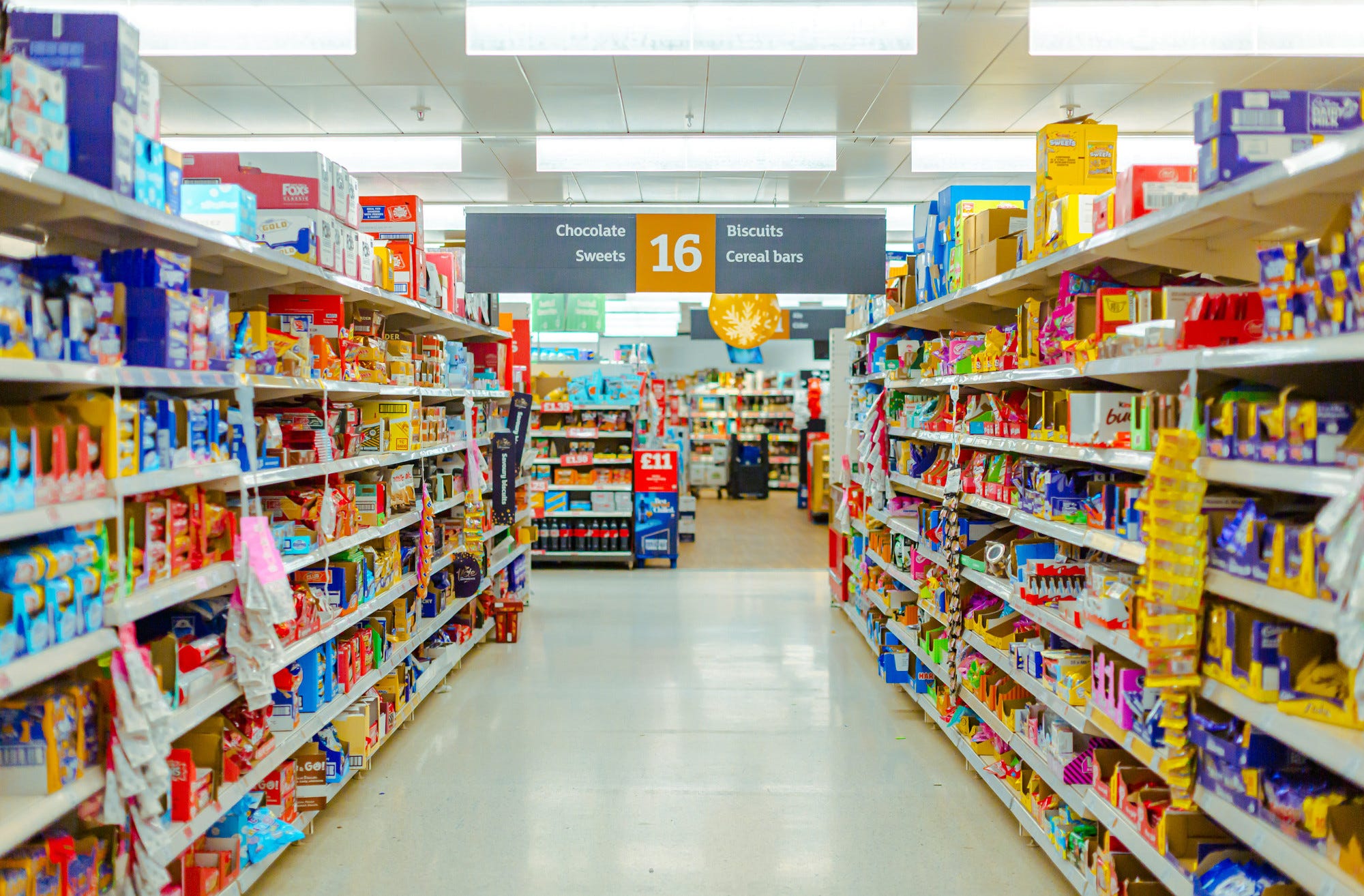
For now, the focus is on getting a good definition of what constitutes an ultraprocessed food (sometimes called just UPF) – which has been elusive – in the face of pushback from parts of the food industry.
The Journal of the American Medical Association (JAMA) has endorsed “federal action … to both reduce consumption of UPFs and improve their nutrient content to support better health.” Similarly, the UK medical journal The Lancet weighed in with a call for “comprehensive, mutually reinforcing policies that address harmful corporate practices and break the grip of the UPF industry on food systems worldwide.”
Politics aside, nutritional science and research say that over-consumption of UPFs is harmful to health in a number of ways, and staying healthy requires good awareness of the place they have in the diet.
What are UPFs?
One straightforward definition says ultraprocessed foods “are characterized by extensive industrial processing that alters them significantly from their natural state … They contain a long list of added ingredients and are often engineered for taste and long shelf life.”
More systematically, UPFs occupy the far end of a scale called the NOVA classification, which was developed by Brazilian researchers. The NOVA categories* consist of:
Unprocessed or minimally processed foods which are eaten in a nearly natural state, although they may undergo processing such as drying, freezing, grinding or pasteurization. This includes fresh fruits and vegetables, raw or frozen meats and seafood; eggs; dried beans, lentils and chickpeas; plain nuts; whole grains such as rolled oats and quinoa; fresh and dried herbs and spices; fresh or pasteurized milk; and yogurt without sugar.
Processed ingredients extracted from natural foods using processes including pressing, grinding, crushing, pulverizing, and refining. Examples include oils made from seeds, nuts, and fruits (olive oil, corn oil, sunflower oil); assorted types of sugar; honey; maple syrup; butter; lard; and refined or coarse salt.
Processed foods are ones from Group 1 that have undergone processing such as canning, often with substances from Group 2 added to preserve them or make them tastier, but still are recognizable versions of the original food. Most processed foods have two or three ingredients. Canned fruits, vegetables and beans are good examples. Some foods that are processed, but not ultra-processed, like dried fruit and cut and bagged vegetables, are healthy because they provide good nutrition without extra sugar, salt, or other preservatives
Ultraprocessed foods are industrial formulations made mostly or completely from substances (oil, fat, sugar, starch, and protein) extracted from food and possibly synthesized in laboratories such as flavor enhancers, colors, and other additives. They typically have five or more — usually many more — ingredients, many of which sound more like they belong in a chemistry lab not a home kitchen. Examples are so numerous that instead of listing them here they are in a box at the end of the post.
(*Summarized and condensed from a description at the Yale Medical School website.)
Health implications of UPFs
Because ultraprocessed foods are typically high in saturated fat and sugar and lower in water and fiber content, for a given weight or volume on average they have more than 5 times the calories of whole foods like fruits and vegetables. That means it’s harder to get truly full when eating them without consuming many excess calories.
UPFs also are ubiquitous in American diets. According to one study that analyzed data from a national health survey, ultraprocessed foods were the source of nearly 58 percent of calories eaten in the U.S., and contributed almost 90 percent of the energy from added sugars. Similarly, data from the Centers for Disease Control and Prevention (CDC) shows 53 percent of the calories adults consumed daily, on average, between 2021 and 2023 came from ultraprocessed foods.
But they are unhealthy calories for many people. A 2024 study published in a British medical journal that reviewed 45 meta-analyses involving about 9.9 million total participants found that UPF consumption has been associated with more than 30 harmful health conditions. “Greater exposure to ultra-processed food was associated with a higher risk of adverse health outcomes, especially cardiometabolic, common mental disorder, and mortality outcomes,” the researchers concluded.
An important element of this, they added, was that ultraprocessed foods displaced more nutritious foods in people’s diets, depriving them of essential nutrients.
An article about UPFs from Loyola University Medical School notes that:
Because ultra-processed foods contain excess sugar, salt, unhealthy fats, and added calories, frequent intake of these foods has been strongly linked to obesity and related chronic diseases. Obesity, driven primarily by excessive caloric intake, dramatically raises the risk of type 2 diabetes, cardiovascular disease, and even certain cancers. High sodium levels can lead to hypertension, increasing heart attack and stroke risks, while high sugar content directly contributes to insulin resistance and diabetes.
The Yale School of Public Health adds:
Multiple studies have linked a diet with higher amounts of ultraprocessed food with obesity, cancer, heart disease, type 2 diabetes, and mental disorders, as well as an increased risk of death. The causes of specific health effects are still being studied, but could occur because ultra-processed foods often have high amounts of added sugar, sodium, and saturated fat, and low amounts of fiber, vitamins, and minerals.
Limiting the risk
Eliminating UPFs from a typical American diet probably isn’t possible. They are just too common and convenient. Not to mention, everyone enjoys the occasional frozen pizza or handful of chips.
For healthier eating, though, the goal should be to keep UPF consumption to a minimum while eating more foods from higher on the NOVA scale that are minimally processed. This dovetails with lots of other healthy-eating nutritional advice such as having a diet based primarily on fruits, vegetables, and lean protein.
That said, many processed foods can be part of a healthy diet; think frozen fruit with no added sugar, canned vegetables with nothing added, and whole-grain bread made with just flour, yeast, water, and a little salt and sugar. As Loyola Medical puts it, “Not everything that comes in a package is bad for you!”
Some further tips from Yale and Johns Hopkins Medical School for trimming UPFs from the diet are:
Buy healthy unprocessed foods instead of UPFs at the grocery store. In many stores, the perimeter is where fresh produce, meats, dairy, and whole foods are found while the ultraprocessed packaged items are stocked on the interior aisles. So shop the outside, and stay away from the middle of the store.
Read the nutrition labels and ingredient lists on products before you buy them, looking for foods that have only a few pronounceable, recognizable ingredients.
Choose whole grains, such as whole wheat bread, over processed grains such as white bread.
Prepare more meals at home with less-processed foods. Use minimally processed frozen or canned options if fresh fruit or vegetables aren’t available.
Prepare meals in advance made from whole ingredients then freeze them to be eaten later rather than relying on ultraprocessed “heat and eat” foods when a meal must be prepared in a short time.
Make a homemade version of a processed food, like healthy muffins, bread, or salad dressings.
Replace sugary beverages with water.
An article from Massachusetts General Hospital’s Patient Education office nicely summarized how to handle dietary UPFs:
Ultraprocessed foods aren’t inherently bad but consuming them in excess, especially those high in added sugars, unhealthy fats, and sodium, can contribute to poor health outcomes. Rather than eliminating UPFs entirely, the key is to make informed choices, prioritizing nutrient-dense options while minimizing those with little to no nutritional value. A balanced diet can include some ultraprocessed foods, as long as whole, minimally processed foods remain the foundation. By reading labels, choosing wisely, and focusing on overall diet quality, you can maintain a healthy eating pattern without unnecessary restrictions.
Common examples of UPFs
Sugary cereals and breakfast bars.
Commercial baked goods (breads, rolls, cakes, cookies).
Fatty, savory, sweet, or salty packaged snacks (chips, crackers, candy).
Instant noodles and canned soups.
Processed, packaged meats (hot dogs, bacon, chicken nuggets).
Frozen, ready-to-heat meals (e.g., frozen pizza).
Ice cream and frozen treats.
Carbonated soft drinks, sweetened beverages (such as juices), energy drinks, and sports drinks.
Margarines and spreads.
Really clear breakdown — especially the NOVA explanation and the balanced take on UPFs. As a pickleball instructor with a background in nutrition, I see the impact of UPFs every day in players’ energy, recovery, and inflammation. Most people aren’t overeating because of willpower issues; they’re overeating because these foods are engineered to override satiety.
Your point about displacement is spot‑on: when people swap even 20–30% of their diet for minimally processed foods, their performance and consistency improve fast.
Appreciate the nuance here. If you ever want to explore how UPFs affect aging athletes or recreational performance, I’d be glad to contribute.